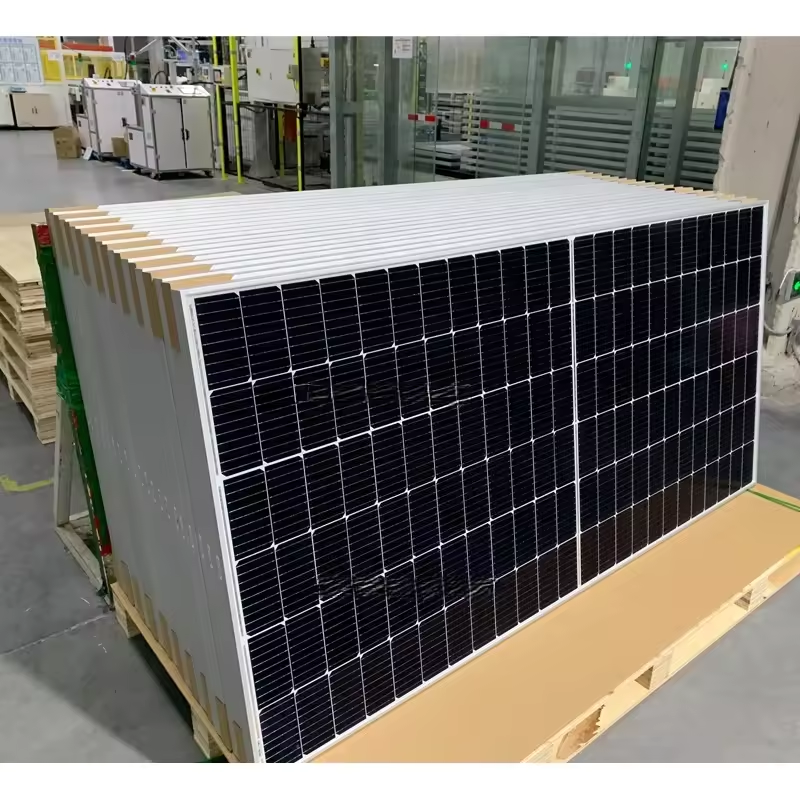
The renewable energy industry continues evolving as manufacturers seek stronger materials, greater durability, and improved production efficiency. Solar technology development increasingly depends on advanced material engineering to strengthen long-term performance and manufacturing reliability. As photovoltaic systems continue expanding globally, hydrophilic hydrophobic silica solar technologies are becoming increasingly important within renewable energy innovation.
Modern photovoltaic manufacturing requires materials capable of maintaining stable performance under changing environmental conditions. Solar systems operate across varying climates and exposure environments, creating demand for advanced material solutions that support structural consistency and operational reliability.
Material science continues driving renewable energy advancement.
Why Advanced Material Technologies Matter in Solar Manufacturing
Photovoltaic systems frequently operate under environmental conditions that influence long-term performance.
Manufacturers commonly prioritize characteristics such as:
- Structural reliability
- Material consistency
- Environmental durability
- Long-term operational stability
- Manufacturing efficiency
Advanced material technologies increasingly help strengthen photovoltaic manufacturing while supporting renewable energy system reliability.
Industrial innovation remains central to solar technology advancement.
The Growing Importance of Material Engineering in Renewable Energy
Renewable energy manufacturing increasingly depends on advanced engineering strategies to improve operational outcomes.
Modern material technologies continue supporting improvements across multiple production areas.
Improved Structural Stability
Solar systems require materials capable of maintaining long-term consistency.
Advanced material technologies may help support:
- Better operational reliability
- Greater structural consistency
- Improved manufacturing quality
Stable material behavior contributes directly to stronger photovoltaic performance.
Enhanced Environmental Durability
Photovoltaic systems frequently encounter changing outdoor conditions.
Material optimization strategies increasingly prioritize:
- Temperature resistance
- Environmental exposure durability
- Long-term operational consistency
Environmental reliability remains increasingly valuable within renewable energy systems.
Better Production Efficiency
Manufacturing operations frequently prioritize stronger operational consistency.
Advanced material technologies may help support:
- Greater manufacturing reliability
- Improved workflow performance
- Better operational efficiency
Efficiency enhancement continues becoming increasingly important within renewable energy manufacturing.
Material Science Continues Driving Solar Innovation
Advanced chemistry continues supporting next-generation photovoltaic technologies.
Material engineering increasingly strengthens renewable energy production capabilities.
Improved Operational Performance
Industrial systems frequently prioritize predictable material behavior.
Optimization strategies often focus on strengthening:
- Material quality
- Structural consistency
- Long-term durability
Reliable materials contribute directly to stronger solar system performance.
Environmental Performance Support
Solar technologies frequently operate under varying environmental conditions.
Modern engineering increasingly prioritizes resistance against:
- Temperature variation
- Outdoor environmental exposure
- Long-term operating demands
Environmental durability strengthens renewable energy reliability.
Greater Manufacturing Flexibility
Advanced material science increasingly supports specialized renewable energy production requirements.
Manufacturers continue prioritizing technologies designed around changing operational demands.
Businesses exploring renewable energy innovation may evaluate hydrophilic hydrophobic silica solar technologies when strengthening photovoltaic manufacturing consistency and operational performance.
See also: AI on Autopilot: The Essential Tool Stack to Grow Your Business Faster
Industries Benefiting From Renewable Energy Material Technologies
Modern solar technologies continue supporting multiple sectors.
Solar Manufacturing
Photovoltaic production increasingly prioritizes stable material performance.
Renewable Energy Infrastructure
Energy systems increasingly depend on reliable operational materials.
Construction Integration Applications
Modern buildings increasingly incorporate solar technologies requiring durable material performance.
Industrial Engineering
Advanced industrial sectors increasingly prioritize renewable energy integration and production consistency.
Industrial innovation continues strengthening renewable energy advancement.
Future Trends in Renewable Energy Material Development
Renewable energy manufacturing continues evolving rapidly.
Several trends may influence future solar technology development.
Greater Focus on Material Reliability
Manufacturers increasingly prioritize stronger durability and long-term consistency.
Expanded Material Optimization Strategies
Industrial chemistry continues creating opportunities for renewable energy advancement.
Increased Production Efficiency Goals
Businesses increasingly seek technologies balancing operational reliability with manufacturing optimization.
Material science remains central to future renewable energy competitiveness.
How Manufacturers Can Improve Renewable Energy Performance
Businesses strengthening solar manufacturing outcomes often focus on:
- Material optimization strategies
- Production consistency improvement
- Workflow efficiency planning
- Long-term durability enhancement
- Operational reliability development
Continuous innovation supports stronger renewable energy competitiveness.
Frequently Asked Questions
1. Why are advanced materials important in photovoltaic manufacturing?
Advanced materials help improve manufacturing quality, operational consistency, and long-term durability.
2. Why do solar systems prioritize material reliability?
Reliable materials support efficiency, durability, and operational performance.
3. Which industries commonly utilize renewable energy material technologies?
Solar manufacturing, renewable infrastructure, industrial engineering, and construction integration sectors frequently prioritize advanced materials.
Conclusion
Renewable energy manufacturing continues advancing as industries seek stronger durability, improved consistency, and greater operational efficiency. Material science innovation remains essential for supporting changing renewable energy requirements and future photovoltaic development. As solar technology continues progressing, advanced material solutions will remain increasingly important for long-term renewable energy growth and industrial advancement.